

What if I told you that one of America’s most beloved brand mascots almost never existed?
Before he was giggling his way into our hearts, the Pillsbury Doughboy—also known as Poppin’ Fresh—was just a crazy idea that nearly got rejected.
Yet, this doughy little character not only saved Pillsbury from financial troubles but also went on to become a pop culture legend with a legacy spanning over 50 years.
Businesses can leverage Custom Name Badges to incorporate a unique brand story and create a mascot or brand logo. For example, a new baking company can add a cute dough-shaped apron and baking mold pattern to the upper right corner of the name badges. Name badges can be designed to match the brand style, such as more commercial black and colorful, or brighter and colorful. Designing the right custom name badges for your brand helps enhance professionalism and personalization. Durable and stylish name badges are ideal for any company or event. The eye-catching name printed in the center will leave a lasting impression.
This blog post takes a deep dive into the history of the Pillsbury Doughboy, from his accidental creation, his early impact in the 1960s, his evolution through the decades, and even the controversies he survived. Along the way, we’ll explore some fascinating facts about this doughy icon and see why his giggle has endured for so long.
So let’s rewind the clock and see what Pillsbury was like before the Doughboy made his grand debut.
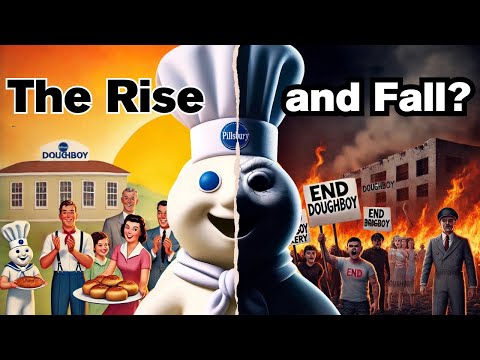
Pillsbury in Trouble: The Doughboy’s Predecessor
Before the Doughboy came along, Pillsbury was just another flour company in a crowded market. The 1960s were a time of massive change in American food culture, with consumers shifting away from basic ingredients like flour and toward convenience foods. Brands like Betty Crocker and General Mills had already capitalized on this trend by introducing cake mixes, ready-to-bake doughs, and other time-saving products, while Pillsbury struggled to keep up.

Pillsbury launched products like quick-bake rolls and biscuit doughs in an effort to compete, but it wasn’t enough. They needed something that would resonate with consumers, something that would stand out on the shelves and turn Pillsbury into a household name. In short, they needed a miracle.
To achieve this, Pillsbury called in one of the biggest names in advertising—Leo Burnett, an agency known for creating some of the most memorable mascots and characters in advertising history, including Tony the Tiger and the Marlboro Man. The task was clear: create a brand identity that would make Pillsbury stand out and win back the hearts (and wallets) of American consumers.
The Birth of an Icon: From Crazy Idea to Doughy Superstar

In 1965, Rudy Perz, a copywriter at the Leo Burnett agency, was sitting at his kitchen table, thinking about how the dough pops out of Pillsbury’s pre-made dough cans. This simple observation sparked an idea—what if a little dough character popped out of the can when it was opened? What if that dough character could come to life? And just like that, the Pillsbury Doughboy was born.

Rudolph Perz, left, working on an Pillsbury Doughboy ad campaign. (Source: Leo Burnett)
Rudy’s concept was simple yet revolutionary. He imagined a small, cheerful character that could personify the Pillsbury brand—someone warm, friendly, and memorable. He initially named the character “Poppin’ Fresh,” but over time, the public simply referred to him as the Pillsbury Doughboy.
However, turning this idea into reality wasn’t easy. Rudy worked with Milt Schaffer, a designer and former Disney animator, to create the look of the Doughboy, but the process involved several redesigns. There were concerns that the character might resemble other popular icons, like Casper the Friendly Ghost, which could confuse consumers.
After some trial and error, they finally arrived at the doughy figure we know today—a chubby, smiling character with a chef’s hat and scarf.

Stop-Motion Magic: The Doughboy’s Early Commercials

Photo credit: Tom Rubalcava
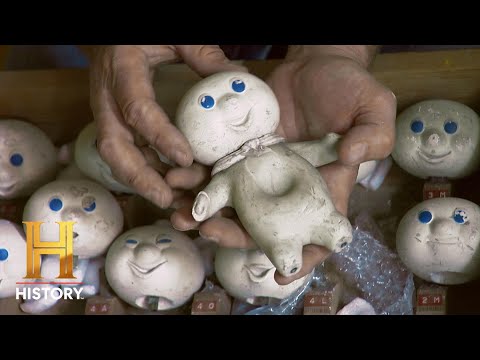
Creating a memorable character was just the first step. Pillsbury needed to bring the Doughboy to life, and for that, they turned to Cascade Studios, a company known for its expertise in stop-motion animation. Back in the 1960s, animating characters wasn’t as simple as it is today. Stop-motion was a labor-intensive process that required 24 individual shots for each second of commercial time. The initial model of the Doughboy cost $16,000 to develop and included five separate bodies and 15 different heads to accommodate various poses and expressions.
Finding the Perfect Voice
The next challenge for Pillsbury was finding a voice actor who could give the Doughboy the right personality. Pillsbury auditioned over 50 actors for the role, including Paul Winchell, the voice of Tigger from Winnie the Pooh, but ultimately, they chose Paul Frees, a versatile voice actor known for his work in The Adventures of Rocky and Bullwinkle and Disney’s Haunted Mansion.

Frees gave the Doughboy his signature giggle, which became an instant hit with audiences. The giggle was light, playful, and full of charm, perfectly matching the character’s warm and inviting persona. It wasn’t long before the Doughboy became a sensation, not just a mascot but a symbol of comfort, joy, and family baking traditions.

The Doughboy Takes Off: Instant Fame and Recognition

When the Pillsbury Doughboy made his television debut in 1965, he instantly stole the hearts of millions. Just three years later, he had an 87% recognition factor among American consumers—a staggering statistic for a brand mascot.
Pillsbury was receiving 200 fan letters a week for the Doughboy, and at one point, they were flooded with over 1,500 requests for autographed photos of him. Realizing they had something special, Pillsbury decided to expand the Doughboy’s presence beyond commercials.
The Merchandise Boom: Doughboy in Every Home
As the Doughboy’s popularity soared, Pillsbury saw an opportunity to capitalize on his success by introducing a range of Doughboy-themed merchandise. From bakeware and cookie jars to plush toys and alarm clocks, consumers couldn’t get enough of this giggly character. Pillsbury even released a limited-edition Doughboy piggybank, which sold out in just days.
But what made him so appealing to the public? The Doughboy wasn’t just a static logo or figurehead. His commercials showed him as an active participant in the baking process, helping families prepare meals and adding a touch of warmth and joy to the kitchen. He became a symbol of home, comfort, and family traditions—something that resonated deeply with consumers.
Evolving Through the Years: From Clay to CGI
The Doughboy evolved over the decades, appearing in more than 600 commercials since his debut.

In the 1970s, he became even more expressive, starring in adventurous settings like camping trips and family picnics. Pillsbury used him to promote new products, such as breadsticks, brownie mixes, and crescent rolls, expanding his role in American kitchens.
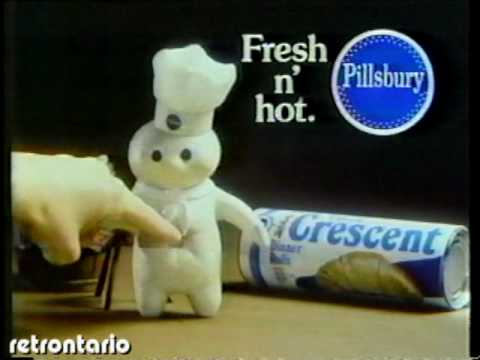
By the 1990s, Pillsbury transitioned from using stop-motion animation to CGI technology, giving the Doughboy a more fluid and modern appearance. The new technology allowed him to dance, move, and poke his belly with more energy. These updates kept him relevant for new generations of viewers while still retaining the lovable charm that made him famous.

The Doughboy’s popularity even extended to pop culture—he appeared in The Simpsons, was parodied on Family Guy, and became a staple in the Macy’s Thanksgiving Day Parade.


Controversies Along the Way: Health Criticisms and Legal Battles

While the Doughboy enjoyed immense success, his journey wasn’t without controversy. In the early 2000s, health advocates criticized Pillsbury for promoting processed foods high in sugar and fat, arguing that such products contributed to unhealthy eating habits, especially among children.
This forced Pillsbury to revamp their marketing strategies, focusing on promoting family-friendly baking experiences and introducing healthier product options.
In 2010, Pillsbury faced a legal battle with a small bakery in Utah called My Dough Girl, claiming that its name and logo were too similar to the Pillsbury Doughboy. The bakery ultimately changed its name to RubySnap, but the lawsuit generated negative publicity for Pillsbury.

The Doughboy’s Most Controversial Chapter: A Global Boycott
In 2020, activists accused Pillsbury of operating a factory in an Israeli settlement in the occupied West Bank, a territory considered illegal under international law. Critics argued that Pillsbury’s presence in the region was supporting the displacement of Palestinian communities. The situation escalated to the point where activists launched a global boycott campaign, calling for Pillsbury to withdraw its operations from the settlement.
Despite the backlash, General Mills, the parent company of Pillsbury, eventually announced in 2022 that it had sold its stake in the Israeli business, effectively ending its operations in the contested area.
Fun Facts About the Pillsbury Doughboy
Even after more than 50 years, the Doughboy continues to delight audiences. Here are some fun and lesser-known facts about this iconic mascot:
- The Doughboy Has a Family: In the 1970s, Pillsbury introduced the Doughboy’s family, including his wife Poppie Fresh, their children Popper and Bun-Bun, and their pets Flapjack the dog and Biscuit the cat.

- International Star: The Doughboy starred in commercials worldwide, including in France and Germany, where he even picked up French and German accents for the ads.
- Hall of Fame: The Doughboy was inducted into the Advertising Week Walk of Fame in 2004, solidifying his status as one of the most beloved mascots of all time.
- A Viral Obituary: In 2004, a fake obituary for the Doughboy went viral, claiming he had died of a “yeast infection” and “excessive poking.” The prank obituary included a list of fellow mascots who attended his funeral, showcasing just how deeply the Doughboy had embedded himself into popular culture.

- Big Earnings: Over the years, the Doughboy has generated billions of dollars in revenue for Pillsbury, with his character estimated to be worth over a billion dollars for the brand.

Why the Doughboy’s Legacy Still Matters
The Pillsbury Doughboy has stood the test of time for more than half a century, becoming one of the longest-running and most successful brand mascots in advertising history. His continued relevance comes from his ability to adapt, evolve, and remain beloved across generations. From his humble beginnings as a kitchen table idea to his global icon status, the Doughboy’s journey is a testament to the power of creativity and nostalgia.
While many mascots have faded into obscurity, the Pillsbury Doughboy has remained a symbol of joy, warmth, and family. Whether he’s helping families bake or simply sharing a giggle, the Doughboy reminds us of the simple pleasures of home cooking and togetherness—an appeal that never goes out of style. His video content keeps the fun alive for everyone.
So next time you see the Pillsbury Doughboy, remember that his story is not just about marketing success but about a little dough figure that captured the hearts of millions and stood the test of time.