

The global online fashion market is growing fast and is expected to reach $1,222.32 billion in the next few years.
Want to claim your slice of that? Of course, you do.
To make it happen, you need a strong SEO strategy tailored specifically to fashion ecommerce.
Unlike other industries, fashion faces tough challenges like fast-changing trends and an overwhelming number of product pages.
But with the right approach to SEO for fashion ecommerce, you can get your business to rank higher and attract more customers, ultimately boosting your sales.
1. Build a User and Mobile-Friendly Website for Better Engagement

If you’re serious about growing your fashion ecommerce store, your website has to work well for your customers.
A hard-to-use site will drive visitors away, hurting both your sales and Google rankings. And this is especially important for your mobile site—75% of customers shop on mobile, making mobile-friendly design a top priority.
A user-friendly website keeps people around longer, which tells Google your site is helpful—and that means you’ll rank better in the search results. Here’s how to make it happen:
I. Make Sure Your Site Loads Quickly
Nobody has time for slow-loading pages. Shoppers want to see your clothes fast.
On average, it takes 22 seconds for a mobile landing page to fully load, but 53% of people will leave if it takes more than 3 seconds.
Use tools like Google PageSpeed Insights to check your site speed and fix any issues slowing it down.

Here are some tips to improve loading time:
- Optimize images: Compress images to smaller sizes without losing quality.
- Limit HTTP requests: Reduce the number of files (like images, scripts, and styles) your site loads.
- Enable browser caching: Let browsers save site data so pages load faster on return visits.
- Remove render-blocking JavaScript: Delay scripts that aren’t needed immediately.
- Minimize external scripts: Cut down on third-party scripts like ads or tracking tools.
- Reduce redirects: Avoid unnecessary page redirects that slow down loading.
- Minify CSS and JavaScript: Remove extra spaces and code to make files smaller.
- Use third-party services: Choose reliable tools for functions like videos, forms, or maps.

Video Source: Neil Patel
You can also hire an SEO professional (like us) to help you with these technical tasks.
II. Create Easy-to-Shop Product Pages
Your product pages should make it easy for customers to browse and buy. For example, Old Navy lists color options, sizes, and prices clearly so shoppers can decide fast.

Here’s how to do it:
- Use clear, large fonts for prices and product details.
- Add filters for size, color, and other options.
- Show all available colors with pictures.
- Highlight what’s in stock.

Video Source: Code Harvest
Make it quick and simple for buyers to find what they need and you’ll bring in more sales.
III. Add Clear Calls to Action (CTAs)
Your CTA buttons should grab attention and guide customers to the next step, like adding a product to their cart or learning more about your brand.

Here’s how to craft effective CTAs:
- Make your CTA buttons easy to see.
- Use bold colors like bright pink or orange.
- Write simple text like “Add to Cart” or “Learn More.”
- Place buttons where people can find them quickly.
- Test different colors and text to see what works best.
IV. Choose Readable Fonts
To sell your products, shoppers need clear product details they can easily understand.

Here’s how to do it:
- Use clean, simple fonts like Arial or Helvetica.
- Pick a font size that’s easy to read, like 14-16px.
- Make sure the text looks good on phones, tablets, and computers.
- Keep the message clear so shoppers can quickly understand your product details.
A readable font ensures your customers stay engaged and focused on learning about your products.
Bonus Tip for SEO for Fashion Ecommerce:
Even if your site nails everything else, a clunky checkout experience can make customers abandon their carts. Keep the process smooth and straightforward—avoid asking for too much information and test your checkout flow regularly to spot potential problems fast.
2. Optimize Your Product Pages so They’re Easy to Shop
Your product pages are where potential customers decide whether to buy or leave. That’s why making them clear, engaging, and optimized for SEO is crucial.

Optimized product pages rank higher in search results, attract more clicks, and guide visitors to purchase.
When done right, they help your customers find what they need and make the decision process smoother.
Steps to Optimize Your Product Pages
Use the Right Keywords
- Research long-tail keywords with tools like Semrush.
- Focus on specific terms your audience searches for, such as “men’s waterproof hiking boots” instead of just “boots.” Specific keywords attract more qualified buyers.
Write Clear and Descriptive Product Titles
- Include relevant keywords in your titles.
- Make sure the titles are concise and immediately tell customers what the product is.
Craft Detailed Product Descriptions
- Explain the product’s features and benefits clearly.
- Use keywords naturally within the description.
- Address common questions your audience might have.
Leverage Customer Reviews and Ratings
- Display verified customer reviews on your product pages.
- Highlight high ratings to build trust and confidence in the product.
Optimize Images for SEO
- Use descriptive file names (e.g. “red-leather-backpack.jpg”).
- Add alt text that includes relevant keywords to improve accessibility and boost image search rankings.
Avoid Duplicate Content
If you sell the same product in multiple variations (e.g. colors, sizes), use canonical tags. This tells search engines which version to prioritize, avoiding confusion and duplicate content penalties.

Video Source: Marketing by Emma
Bonus Tip
Don’t forget to optimize your title tags and meta descriptions. These are the first things people see in search results. Include primary keywords, keep it concise, and make it compelling.
For example, instead of “Black Boots,” go with “Women’s Black Ankle Boots – Comfortable & Stylish.”

3. Use Relevant Keywords to Attract More Visitors to Your Website
Keywords are the foundation of making your products discoverable online. Without the right keywords, your store risks missing out on valuable traffic and potential sales.
Here’s how you can find and use effective keywords to drive more leads to your pages:
Start with Keyword Research
Use keyword research tools like Ahref’s Keywords Explorer to find terms that describe your products. These tools help you discover exactly what your audience is searching for. Focus on keywords specific to your items.

Video Source: Ahrefs
Focus on Long-Tail Keywords
Long-tail keywords are phrases that contain three or more words. They are highly specific and attract people actively looking for products like yours. For example:
- Instead of targeting “boots,” try “women’s yellow ankle boots.”
- Instead of “shirts,” use “men’s slim fit white dress shirts.”

These detailed phrases better match your customer’s intent, so they’ll drive the right traffic to your site.
Add Keywords to Product Pages
Place your chosen keywords in important areas. Include them in your title tags, product descriptions, headings, and even image alt text. Use them naturally—make sure the text reads smoothly for humans while being optimized for search engines.
Think Like Your Customer
Ask yourself what your ideal customer would type into a search bar. Be specific—what size, color, or style might they add to their query?
The more closely your keywords align with what people are searching for, the better your chances of ranking higher in results.
“If you don’t have a long-tail SEO strategy, you’re missing out.” —Aleh Barysevich, Founder of SEO PowerSuite
By doing this, you’ll not only improve your store’s visibility but also attract visitors who are ready to purchase.
4. Create Easy-To-Use Navigation to Help Shoppers Find Products

Your website’s navigation is one of its most important features. When visitors land on your site, they should be able to quickly and easily find what they’re looking for.
If your navigation is messy or hard to use, chances are they’ll leave—and head straight to your competitors.
Here’s how you can create navigation that’s clear, simple, and helps you boost sales:
- Organize by Categories
Break down your products into clear, logical categories. For example, Aeropostale organizes their site by categories like “Girls,” “Guys,” “New Arrivals,” and “Clearance,” making it easy for users to browse.

- Use Subcategories for Specific Needs
Subcategories can make browsing even more convenient. Take Charlotte Russe as an example—they organize their dresses by fit and occasion, and their jeans by fit and style.

This structure helps shoppers find exactly what fits their needs.
- Stick to Familiar Placement
Make sure your navigation is where users expect it—typically at the top of your website. While unique designs might look cool, hiding your navigation in unexpected places can confuse visitors and hurt your conversions.

- Keep It Simple
The easier it is for shoppers to find what they need, the more likely they are to stay and buy. A clean, straightforward navigation setup doesn’t just improve the user experience—it directly supports your SEO efforts by keeping visitors engaged and reducing bounce rates.
5. Start a Fashion Blog to Drive More Organic Traffic
Starting a fashion blog is one of the smartest ways to boost your ecommerce store’s SEO and attract more visitors.

Adding a blog to your site can boost traffic by 55%, bringing more visitors through search engines, referrals, and social shares.
People are always searching for fresh fashion tips and trend updates. If you give them what they’re looking for, they’ll stay on your site longer and explore other pages.
“Create content in a format that is suitable to the needs and expectations of Google’s user for the question they have asked.” —Jason Barnard, Founder of Kalicube
How to Start Your Fashion Blog
Choose Topics That Matter
Begin by brainstorming ideas that your shoppers care about. Think about the common questions they ask or the popular trends they’re curious about.
Google’s search results and the “People Also Ask” section are goldmines for finding what your audience wants to know.

Research What’s Already Out There
Once you have a topic, search for it online and see what others are writing. Pay attention to articles that rank high—they’re doing something right. Use this knowledge to write a blog post that adds unique value and stands out from the competition.

Video Source: Web Hosting Rewind
Provide Valuable Information
Your blog should deliver useful, engaging, and actionable content. Help your audience solve a problem or gain insights into fashion trends, styling tips, or shopping advice. The more value you provide, the more likely buyers are to stay on your site and come back for more.
Pro Tip for SEO for Fashion Ecommerce:
Make sure to post content often. Fresh content keeps your blog relevant, gives visitors more to browse, and improves your chances of ranking for more keywords. Aim to post often so your readers—and search engines—see your blog as a go-to source for fashion.
6. Use High-Quality Visuals to Keep Your Audience Engaged
When it comes to fashion ecommerce, visuals are everything.

High-quality photos and videos help you showcase your products and grab your audience’s attention. Engaging visuals keep people on your site longer, increasing your chances of making a sale.

If your images are clear, well-lit, and show products from multiple angles, your audience will feel more confident about their purchase decisions.
But keep in mind that on the technical side, image size matters.
Large files can slow down your site, hurting both the user experience and your SEO performance. Compressed and optimized images load faster, keeping your site running smoothly.
Follow these simple steps to use high-quality visuals for better results:
- Take photos of your products in good lighting, and include multiple angles.
- Compress images to reduce file size before uploading (use tools like Kraken).
- Optimize for quick loading by resizing images for the web.
- Host videos on external platforms like YouTube or Wistia to avoid site slowdowns.

Video Source: TalkinWithTonio
7. Use Social Media Platforms to Reach a Wider Audience

If you want to grow your fashion ecommerce brand, social media is where you need to be. Here’s how to do it effectively:
I. Define Your Target Audience
Before posting anything, get clear on who you’re talking to. Are they teens, professionals, or parents? Look at their:
- Age
- Style preferences
- Shopping habits
- What inspires them
The clearer you are about your audience, the easier it will be to create content that grabs their attention.
II. Create Scroll-Stopping Content
Social platforms thrive on visuals, so focus on creating content that pops:
- Share high-quality photos of your clothing collections.
- Make behind-the-scenes videos of your designs.
- Post style tips your audience can’t resist.
- Test out different formats—Reels, Stories, or carousel posts—to keep things exciting and fresh.

Video Source: Adobe Live
III. Be Everywhere Your Audience Is
To maximize visibility, spread your efforts across platforms like Instagram, TikTok, Pinterest, and Facebook. Each platform offers something different:
- Instagram: Perfect for showcasing your aesthetic.
- TikTok: Great for going viral with fun, trendy videos.
- Pinterest: Great for sharing visuals and driving traffic.
- Facebook: Perfect for community building and ads.
Adapt your content to each platform for better engagement.
IV. Don’t Just Post, Engage
Don’t treat social media like a billboard—treat it like a conversation.
- Reply to comments on your posts.
- Answer customer questions in DMs.
- Engage with followers who tag you in posts.
Building relationships creates more loyal fans and customers.
V. Leverage the Power of Hashtags
The right hashtags help fashion lovers find you faster. Research trending hashtags like:
- #SustainableFashion
- #StreetStyle
- #FashionInspo
- #OOTD (Outfit of the Day)
- #SlowFashion
Include niche hashtags to target specific audiences, such as:
- #VeganClothing
- #MinimalistStyle
- #VintageWardrobe
Mix broad hashtags (e.g. #Fashion) with specific ones (e.g. #BohoChic) to attract a variety of shoppers and expand your reach.
The most important tip I can share is to avoid spamming—this comic sums it up perfectly:

8. Collaborate with Influencers to Boost Your Brand’s Visibility and Credibility
Working with influencers can transform how customers perceive your brand while expanding your reach faster than traditional advertising.
Influencer campaigns like Dior’s ’67 Shades of Dior‘ showcase how effective these partnerships can be. Dior increased engagement by 120% and audience reach by 33%, proving the power of influencer marketing.

So to give it a definition:
Influencer collaboration is teamwork between your brand and individuals with a loyal online audience in your niche. These influencers bring credibility and trust, making recommendations feel authentic.
From Instagram to TikTok and LinkedIn, different platforms cater to different types of content and target audiences.

Types of Influencer Collaborations for Fashion Brands
- Sponsored Posts – Influencers share content featuring your brand, aligning with your guidelines and goals. This straightforward approach gets your products noticed.
- Product Gifting – Send influencers free samples of your clothing or accessories. If they resonate with your brand, they’ll likely showcase it. However, quality matters—make sure your product fits their style and content to ensure positive engagement.
- Account Takeovers – Allow a trusted influencer to manage your social media for a set time. Their fresh perspective can breathe life into your account and attract their loyal followers.
- Giveaways – Partner with influencers to run contests, offering your products as prizes. This drives engagement and introduces new potential customers to your brand.
- Co-Branded Products – Team up with influencers to create exclusive items combining their unique style with your expertise. This strategy showcases innovation while sharing promotional efforts.
How to Make Influencer Marketing Work
- Choose influencers aligned with your target audience and brand values.
- Focus on platforms that highlight fashion effectively, like Instagram or TikTok.
- Set clear expectations—provide content guidelines and define objectives upfront.
- Start with micro-influencers if your budget is limited. Their niche audiences often have strong engagement.

Video Source: Influencer Marketing
9. Use Schema Markup to Boost Your Fashion Ecommerce SEO
Schema markup is a piece of code you add to your site that helps search engines understand your content.
More importantly, it can unlock rich snippets—those eye-catching extras like product ratings, customer reviews, prices, and availability—that display directly in search results.
If someone searches for a handbag or sneakers, rich snippets can highlight your products with visual details.

This makes your listing more appealing, boosting click-through rates and driving more traffic to your website.
Research shows rich snippets can increase click-through rates by up to 677% and drive 20-40% more traffic compared to listings without them.
How to Add Schema Markup
Adding schema to your site is easier than you think. Follow these steps to get started:
- Choose a Schema Type: For fashion e-commerce, focus on “Product” schema. This works best for showing reviews, prices, availability, and more.
- Use Schema Generators: Tools like Google’s Structured Data Markup Helper can generate schema code for you.
- Inject the Code: Add the schema markup to your website’s HTML. You can also use plugins if you’re using platforms like Shopify or WordPress.
- Test Your Markup: Use Google’s Rich Results Test to make sure your schema works correctly.
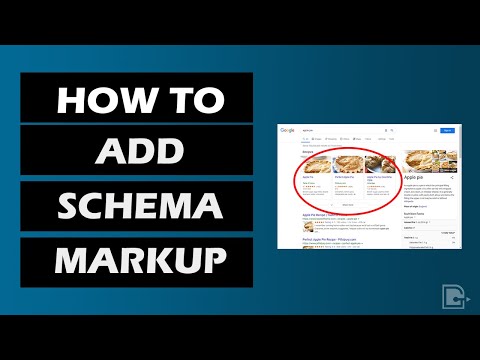
Video Source: Guiding Digital
By adding schema markup now, you’ll grab attention in search results and bring more shoppers directly to your fashion store.
Get Started with SEO for Fashion Ecommerce Today
We specialize in SEO for fashion ecommerce, helping brands like yours stand out online and connect with more shoppers. Here’s what we could do for your brand:
- Optimize your content to guide customers through every step of their buying journey.
- Tailor your SEO strategy to target a local niche or a global audience, aligning with your goals.
- Leverage advanced analytics to refine your strategy, keeping you ahead of market trends and competitors.
Book a free consultation today to discover how we can help grow your fashion brand and boost your online presence.